
Your Cart is Empty
Free lip balm + free shipping on orders over $39.99


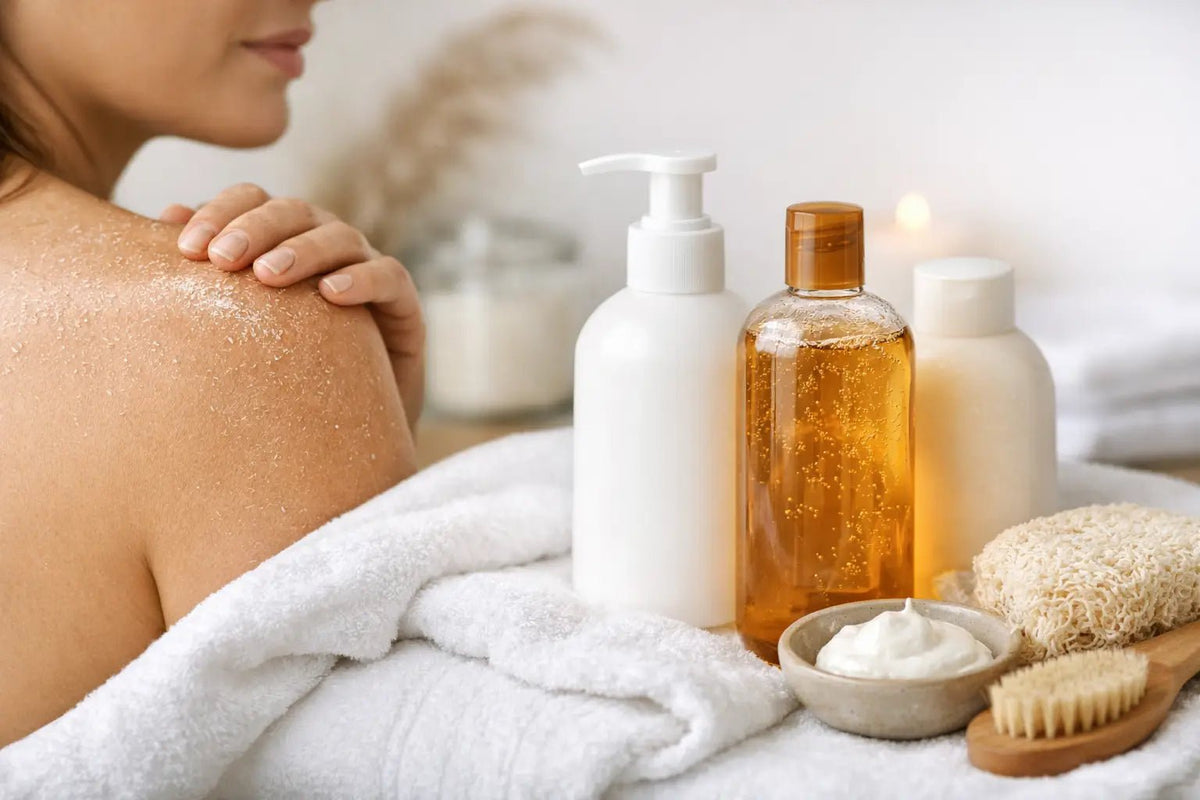
A shower should leave you clean and comfortable, not reaching for lotion before you have even dried off. If your arms, legs, or hands feel tight, flaky, or itchy after bathing, choosing the right body wash for very dry skin can make an everyday difference. The goal is simple: wash away the day without stripping away more of the moisture your skin is working hard to hold onto.
Very dry skin usually needs less fuss, not more. A gentle cleanser, a little attention to water temperature, and a dependable moisturizer afterward can turn a frustrating routine into simple everyday care.
Your skin has a natural protective barrier made up of oils, water, and skin cells. It helps keep moisture in and everyday irritants out. Long hot showers, strong cleansers, dry indoor air, frequent washing, and cold weather can all wear that barrier down. When it does, skin can feel rough, look dull, or become especially uncomfortable after bathing.
Soap is not automatically the problem, but the way a cleanser works matters. Some formulas are made to cut through heavy oil and grime. That may be useful after a muddy afternoon in the garden or a hard workout, but it can be too much for skin that already feels parched. For daily use, very dry skin often does better with a wash that cleans gently and includes ingredients chosen to leave skin feeling soft rather than squeaky.
That squeaky-clean feeling is worth reconsidering. It can sound like proof that a product worked, but for dry skin, it may mean your natural oils have been washed away along with the dirt.
Start with a formula that feels gentle in use and makes sense for your household. A good body wash should rinse cleanly without leaving skin tight or coated. Ingredient lists can feel overwhelming, so focus on a few familiar helpers rather than trying to decode every word.
Honey is a natural favorite for dry-feeling skin because it helps support a softer, more comforted feel. It also brings a warm, simple ingredient story to a product you use every day. Beeswax is another hardworking ingredient, valued for its protective, conditioning qualities in personal care. Plant oils, such as olive or coconut oil, can contribute to a richer, less stripped feeling during and after washing.
Aloe is often a welcome addition when skin feels thirsty or easily bothered. Glycerin, a common moisture-loving ingredient, can also help draw water toward the skin's surface. These ingredients do not replace a moisturizer, but they can make the cleansing step much kinder.
Scent is personal. A lightly scented wash can make a shower feel pleasant, while fragrance-free or low-scent options may be the better choice for people whose skin is especially reactive. Natural essential oils can smell wonderful, but natural does not always mean right for every person. If you notice stinging, redness, or persistent itching with a new product, stop using it and choose a simpler formula.
The best choice depends on your skin, climate, and shower habits, but some patterns are common. Very strong cleansing agents, heavily fragranced formulas, and products designed for deep deodorizing can leave dry skin feeling worse. This does not mean those products are bad. It means they may be better suited to occasional use or to areas that need a more thorough cleanse, rather than your whole body every day.
Be mindful of exfoliating washes, too. A gentle scrub once in a while may help smooth rough patches, but daily scrubbing can be too abrasive when skin is already flaky or tender. Loofahs, rough washcloths, and body brushes can have the same effect if used with too much pressure. Your hands are often enough for a regular shower.
And then there is hot water. It feels good on a cold Ohio morning, but it can pull moisture from the skin quickly. You do not have to take a chilly shower. Simply turn the temperature down a notch and keep the shower reasonably short. That small adjustment often matters as much as switching body wash.
Caring for very dry skin does not require a cabinet full of products. Consistency is more helpful than complexity. Use lukewarm water and apply body wash where it is needed most: underarms, feet, groin, hands, and any visibly dirty areas. Unless you have been sweating heavily or working outdoors, you may not need to thoroughly lather every inch of your body every single day.
Rinse well, then pat skin dry with a soft towel. Rubbing briskly can leave dry patches feeling raw. The next step is the one many people skip: apply a cream, body butter, or lotion while skin is still slightly damp. This helps hold onto some of the water from your shower and gives the skin barrier a little extra support.
For heels, elbows, knees, and hands, a richer cream may be more useful than a lightweight lotion. Keep it where you will use it - beside the shower, on the bathroom counter, or by the kitchen sink. Frequent handwashing is part of daily life, especially in busy households, and a small amount of hand cream after washing can prevent dryness from getting ahead of you.
Body wash is convenient, especially for families and shared showers, but it is not the only option. Some people with very dry skin prefer a creamy bar soap with conditioning ingredients because it is easy to use and travels well. Others like a liquid body wash for its soft lather and simple pump format.
There is no single right answer. The better choice is the one your skin tolerates well and you will use regularly. If you are trying something new, give it a week or two while keeping the rest of your routine steady. That makes it easier to notice whether your skin feels more comfortable or whether another factor, such as weather or a new laundry detergent, is causing trouble.
For everyday natural care, Beessential makes body care around recognizable ingredients such as honey, beeswax, and botanical oils. The best fit still comes down to your own skin and scent preferences, but familiar, thoughtfully chosen ingredients can make shopping for a daily staple feel less complicated.
A body wash that feels perfectly fine in July may not be enough in January. Winter air, indoor heat, windy walks, and extra-hot showers all ask more of your skin. During those months, consider using less cleanser on areas that do not truly need it and follow every shower with a richer moisturizer.
Summer can bring a different challenge. More sunscreen, sweat, swimming, and outdoor time may mean you shower more often. Keep the cleanse gentle and moisturize after pool time, since chlorine can leave skin feeling dry. If you use a self-tanner or body exfoliant, give your skin a break between treatments instead of layering every active product into one routine.
Dry skin is common, but painful cracking, bleeding, swelling, widespread rash, or symptoms that do not improve with gentler care deserve attention from a healthcare professional. The same is true if you think you may be dealing with eczema, an allergy, or an infection. A body wash can support a comfortable routine, but it is not a substitute for medical guidance when skin is persistently inflamed or painful.
For most everyday dryness, start small tonight: use warm rather than hot water, choose a gentle wash, pat dry, and moisturize before you get dressed. Those ordinary steps are often the kindest thing you can do for skin that has been asking for a little more care.
Comments will be approved before showing up.