Your Cart is Empty
Free lip balm + free shipping on orders over $39.99




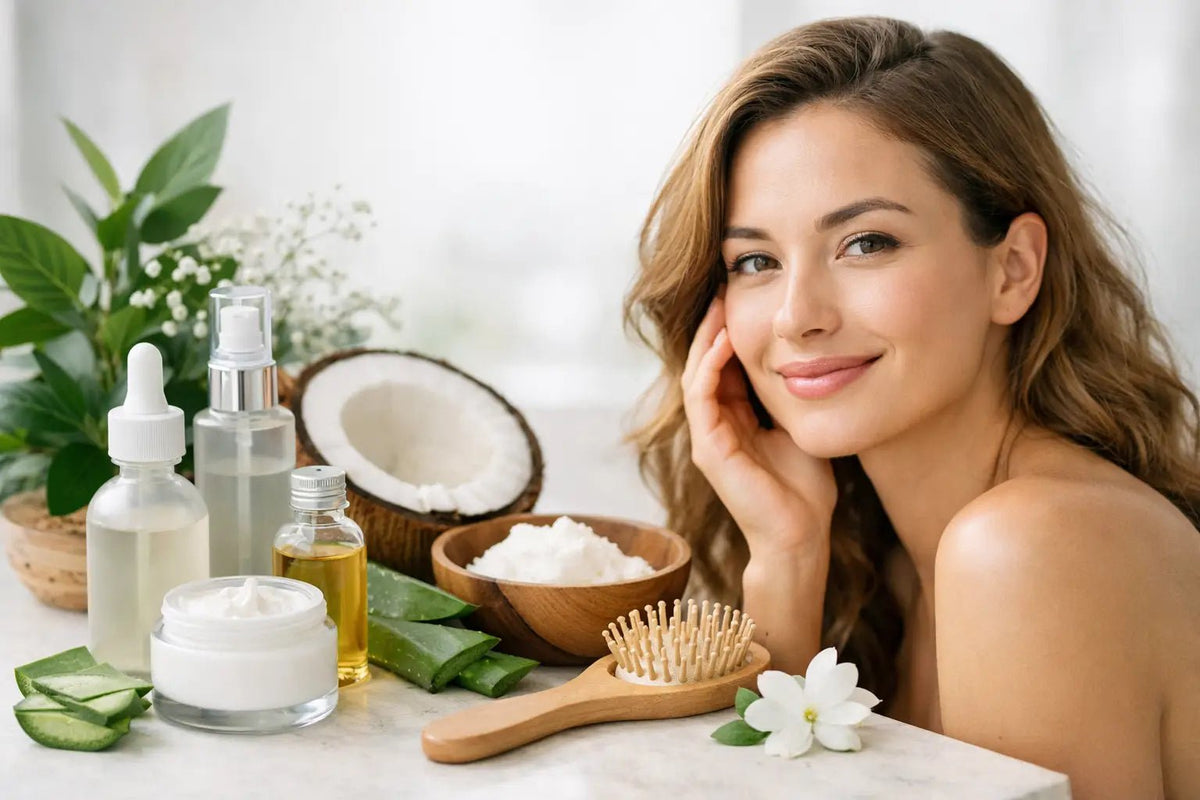
A hand soap sits by the kitchen sink. Lip balm lives in a coat pocket. Shampoo gets used up faster than almost anything in the bathroom. That is where clean beauty matters most: not as a complicated shelf of special products, but as thoughtful care for the things you use every day.
For many households, choosing cleaner personal-care products starts with a simple question: What am I putting on my skin, hair, and family’s hands again and again? The answer does not have to involve a 12-step routine or a medicine-cabinet overhaul. It can be as practical as choosing a gentle soap, a moisturizing lip balm, or a refill instead of another small plastic bottle.
Clean beauty does not have one legal, universal definition in the United States. That can make the phrase feel confusing. One brand may use it to mean plant-based ingredients. Another may focus on excluding certain synthetic ingredients, using recyclable packaging, or being transparent about what goes into a formula.
A helpful way to think about clean beauty is this: personal care made with thoughtful ingredients, clear information, and a purpose beyond making a product look trendy. It is about knowing what you are buying and choosing products that make sense for your routine, your skin, and your values.
That does not mean every ingredient with a long name is automatically bad, or that every natural ingredient is right for every person. Natural ingredients can still cause sensitivity, especially for people who react to fragrance, essential oils, or particular plant extracts. Good everyday care leaves room for common sense, patch testing, and paying attention to what your own skin is telling you.
The best personal-care routine is usually the one you will actually keep using. If your hands are dry from washing dishes, gardening, or caring for kids, you need a hand soap that cleans without leaving your skin feeling tight, followed by a cream you enjoy reaching for. If your lips chap in cold weather, a protective balm belongs in the car, at your desk, and beside the bed.
This practical side is often overlooked when clean beauty is treated like a luxury category. Everyday products should earn their place. A body wash should leave skin comfortable. A shampoo should fit your hair type and wash schedule. A bar soap should last well and feel good in your hands. Clean ingredients matter, but so do real results.
Honey and beeswax are good examples of familiar ingredients with a useful role in daily care. Honey is valued in skin-care formulas for its naturally comforting, moisture-loving qualities. Beeswax helps create a protective barrier that can help hold moisture close to the skin, which is especially welcome in lip balms and rich hand creams. They are not flashy ingredients, and that is part of their appeal.
There is no need to replace everything at once. Begin with the products you finish and rebuy most often. For one person, that may be lip balm and hand soap. For another, it may be shampoo, conditioner, body wash, or a gentle soap for the whole family.
Look at your routine honestly. If you wash your hands constantly, start there. If dry elbows, legs, or hands bother you year-round, focus on your cleanser and moisturizer. If your scalp feels oily while your ends feel dry, choose hair care for that specific balance rather than buying a product simply because it says natural on the front.
When comparing products, the ingredient list is one useful place to begin, but it is not a test you have to pass perfectly. Look for ingredients you recognize and a brand that explains its choices plainly. Consider whether a formula is suited to your needs, whether the scent is one you will enjoy, and whether the packaging fits the way your household uses it.
A large refill may be a smart choice for a family that goes through hand soap quickly. It may not be the right choice if you are trying a scent for the first time or have limited storage space. Sustainable choices work best when they are realistic enough to become habits.
Scent can make everyday care feel more enjoyable, whether you prefer fresh citrus, calming lavender, warm honey, or an unscented option. But scent is also personal. Someone with easily irritated skin, eczema-prone skin, or fragrance sensitivity may do better with simpler, fragrance-free choices.
The same goes for essential oils. Many people love botanical scents, while others find them too strong for facial skin or frequent use. There is no prize for using a product that does not agree with you. If you are introducing something new, try it on a small area first and give your skin time to respond.
For ongoing skin concerns, cracked skin that will not heal, or a rash that worsens, personal-care products are not a substitute for medical advice. A dermatologist or health professional can help you sort out what is happening and what kind of routine may be appropriate.
It is easy to get caught up in avoiding a single ingredient or chasing the newest botanical. Yet a good formula is more than one star ingredient. The full blend determines how a product cleanses, feels, rinses, moisturizes, and holds up over time.
For example, oils such as coconut and olive oil can bring a rich, conditioning feel to soaps and body-care products. Aloe can feel soothing and light. Activated charcoal is often chosen for its deep-clean feel in products for oily or blemish-prone skin. None of these ingredients is a universal solution. A rich oil-based product may be wonderful for dry hands but feel too heavy on someone’s face. A clarifying soap may suit oily skin but be too drying for another person’s daily use.
That is why clean beauty is most useful when it stays flexible. Choose according to your skin type, hair type, season, and daily needs. You might use a richer cream in January, a lighter lotion in summer, and a more nourishing balm whenever cold air or frequent washing catches up with your skin.
Personal care creates a surprising amount of packaging because these are products we use continually. Choosing a refill size for a favorite hand soap, body wash, or castile soap can reduce the number of bottles entering your home over time. Bar soap can also be a simple, low-fuss option for the sink, shower, or gift basket.
Still, less waste is not about being perfect. A refill that goes unused is not more helpful than a regular-size product you finish. Start with what your household reliably uses, reuse pumps and dispensers when they are in good shape, and select sizes that match your routine.
Small choices add up. Keeping a quality lip balm in use until it is finished, choosing a multipack for a family favorite, or giving useful soap and hand-care products as gifts can make cleaner care part of everyday life instead of another short-lived purchase.
The clean beauty conversation is at its best when it makes personal care feel more understandable, not more intimidating. You do not need a perfect bathroom shelf. You need products that are made thoughtfully, feel good to use, and support the skin and hair you live in every day.
At Beessential, that idea starts with time-tested ingredients like honey and beeswax, then stays grounded in the practical needs of real households. A good product should be easy to understand, pleasant to use, and dependable enough to replace when the bottle or bar is gone.
Let your routine be simple. Choose the hand soap that makes frequent washing easier on your skin, the balm that keeps close at hand, and the hair and body care that you will use with confidence. That kind of clean beauty is not about chasing perfection. It is about taking good care, one ordinary day at a time.
Comments will be approved before showing up.