
Your Cart is Empty
Free lip balm + free shipping on orders over $39.99


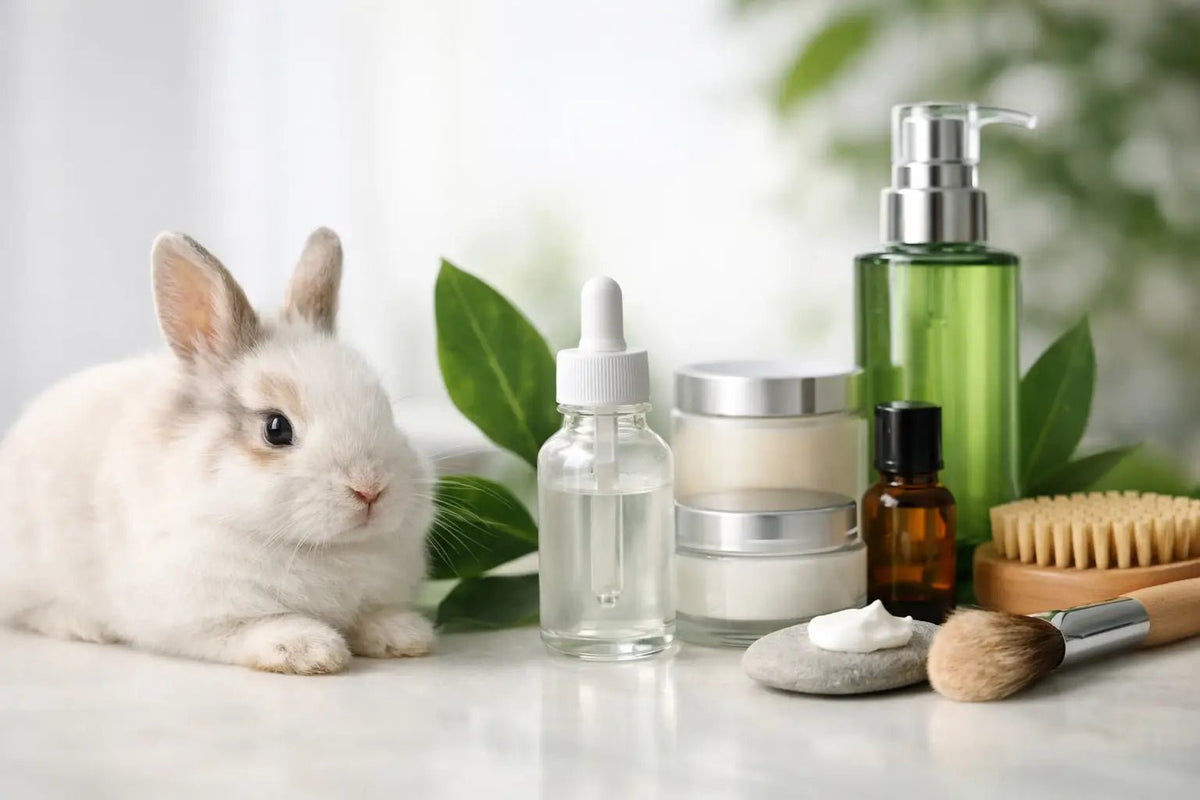
A hand soap, lip balm, or shampoo earns a place by the sink or in your bag because it works. It should clean without leaving skin tight, help dry lips feel comfortable, or make hair easier to manage. So, are cruelty free products better? They can be a better choice for shoppers who want their everyday care to align with animal welfare, but the label is one helpful part of a bigger picture.
A cruelty-free claim speaks to animal testing. It does not automatically tell you whether a formula is gentle, natural, vegan, low-waste, or right for your skin. Knowing the difference makes it easier to choose personal care products with real purpose - not just a reassuring label.
Cruelty-free generally means that a finished product and its ingredients were not tested on animals. Many shoppers look for this commitment because personal care should not require animal testing to create a dependable soap, lotion, shampoo, or balm.
Still, the wording on packaging can vary. A company may say it does not test its finished products on animals, while its ingredient suppliers follow a different policy. Another company may have a broader standard that covers its ingredients, suppliers, and manufacturing partners. This is why it is worth looking beyond a front-label claim when animal welfare is a central part of your decision.
The clearest brands explain their policy in plain language. They should be able to tell you whether they test on animals, whether they ask suppliers to avoid animal testing, and how they handle regulatory requirements in the markets where they sell. A recognized third-party certification can add reassurance, but a certification alone is not the only sign of a thoughtful policy. Transparency matters most.
Not automatically. Cruelty-free describes how a product was developed or sourced, not how it will perform on your particular skin or hair. A cruelty-free body wash can still contain a fragrance that bothers sensitive skin. A conventional product may happen to work well for someone with dry hands. The answer depends on the formula, how you use it, and your needs.
For everyday care, look at the ingredients and the job the product is meant to do. Dry skin often benefits from cleansing products that do not feel overly stripping, followed by moisture-supporting ingredients such as plant oils, honey, or beeswax. Oily or acne-prone skin may prefer lighter-feeling formulas and a simple routine. Hair that feels dry or rough may need a conditioner designed to add softness without making it feel heavy.
A good product does not need a long, complicated ingredient story. It needs ingredients that make sense for the task. Olive oil and coconut oil can contribute to a nourishing soap base. Aloe can feel soothing. Honey and beeswax are familiar ingredients valued for moisturizing and protective care, especially in products for hardworking hands and chapped lips.
If you have eczema-prone skin, known allergies, or a persistent skin concern, simpler formulas can be easier to introduce one at a time. Patch testing is also a sensible habit, even with natural products. Botanical and essential-oil ingredients can be lovely, but natural does not always mean irritation-free for every person.
This is one of the most useful distinctions to understand. Vegan products do not contain animal-derived ingredients. Cruelty-free products are made without animal testing, but they may include responsibly sourced ingredients from animals or insects.
Honey and beeswax are two examples. They are not vegan, yet they can be part of a cruelty-free personal care routine when sourced from beekeepers who care for their hives and when the finished products are not tested on animals. For many families, that distinction allows them to choose useful, recognizable ingredients while still honoring their commitment to animal welfare.
Neither choice is more morally correct for everyone. A vegan shopper may want to avoid all animal-derived ingredients. Another shopper may feel comfortable using honey and beeswax and value the connection to beekeeping and pollinator care. What matters is choosing according to your own standards and having honest information to do so.
When you are deciding whether cruelty-free products are better for your household, consider the whole everyday-care experience. A product that is not tested on animals is a meaningful start. It is even more useful when it also performs well, has an ingredient list you can understand, and comes from a company willing to answer practical questions.
Consider these four areas together:
If you are new to cruelty-free personal care, start with products you use often. Hand soap, lip balm, body wash, shampoo, and bar soap are easy places to begin because you quickly learn how they feel in real life.
Change one or two items at a time. This gives your skin and hair time to adjust and helps you notice what is working. If your hands are dry from frequent washing, try a gentle soap and keep a nourishing hand cream nearby. If you are trying a new shampoo, give it several washes before deciding, unless it causes irritation or leaves your scalp uncomfortable.
It also helps to choose scents realistically. Fresh citrus may feel bright in a kitchen, while lavender or an unscented option can be better for a nighttime routine or a scent-sensitive household. Gift sets and multipacks can be a practical way to share a few options with family members without overcomplicating the medicine cabinet.
At Beessential, everyday products are built around the useful qualities of honey, beeswax, and carefully chosen plant-derived ingredients. That kind of approach reflects a simple idea: personal care can be made with care for people, animals, and the routines that fill an ordinary week.
Cruelty-free products are better when they help you make a purchasing choice that feels right, without asking you to compromise on comfort or usefulness. They are not automatically superior simply because of a label, and they do not replace the need to consider ingredients, sensitivities, packaging, and budget.
The best everyday care is often the kind you reach for without thinking twice: a soap that leaves hands clean but not parched, a balm that protects dry lips, a shampoo that suits your hair, and a refill you are glad to use again. Choose products whose standards you understand, whose ingredients fit your needs, and whose care shows up in the small moments of your day.
Comments will be approved before showing up.