Your Cart is Empty
Free lip balm + free shipping on orders over $39.99




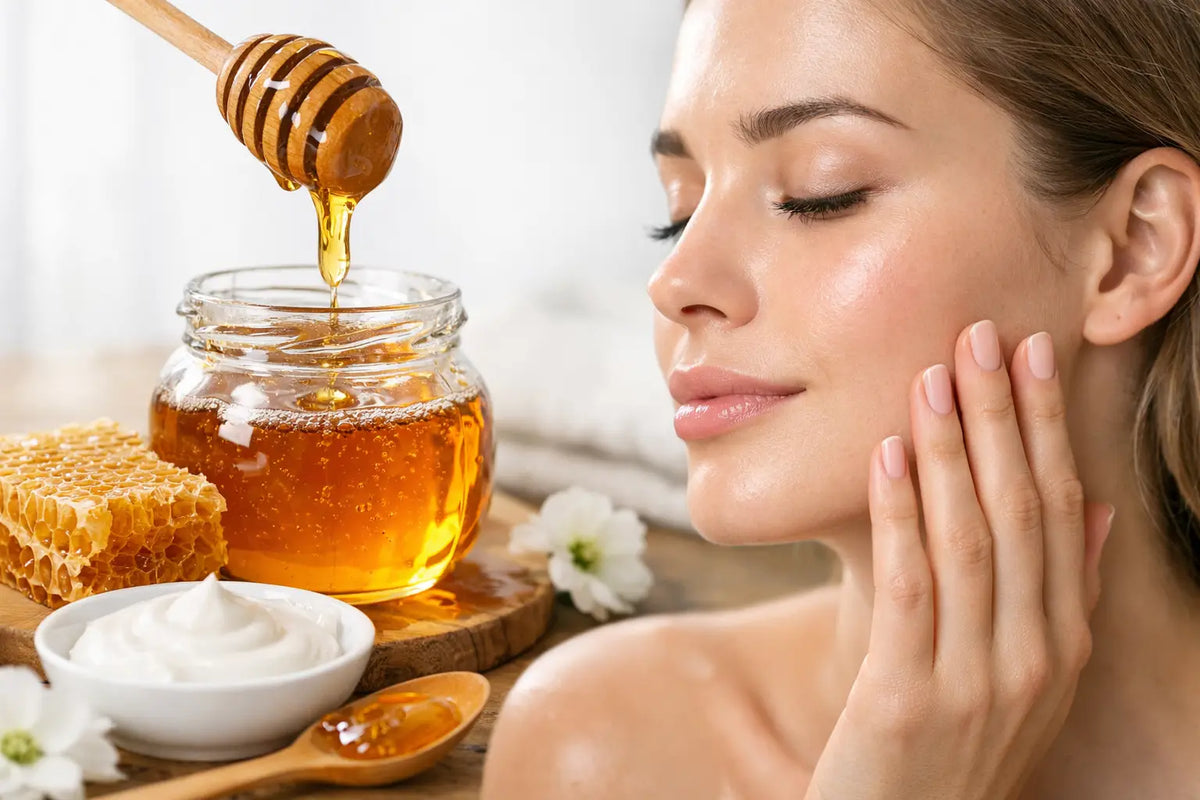
A sticky spoonful of honey may look like the last thing oily or breakout-prone skin needs. But does honey clog pores? For most people, plain honey is not considered a common pore-clogging ingredient. The fuller answer depends on the product formula, how your skin responds, and what else is happening in your routine.
Honey has earned a place in simple skin care for good reason. It is naturally humectant, meaning it helps draw moisture toward the skin. When skin feels comfortable and balanced, there can be less temptation to scrub, strip, and over-treat it. That matters whether you are managing dry winter cheeks, an oily T-zone, or the occasional stubborn blemish.
Clogged pores form when dead skin cells, oil, and sometimes residue collect inside a pore. Honey does not behave like a heavy waxy oil that readily settles into that mix. It is water-loving, rinses away easily when used on its own, and is generally well tolerated in skin care.
Still, no ingredient gets the same result for every person. Skin can react to fragrance, essential oils, rich plant butters, cleansing habits, hormones, or a new product used too often. If a honey-based cream seems to coincide with breakouts, honey may not be the cause. The rest of the formula, the amount applied, and where you use it are all worth considering.
The popular comedogenic rating system can be a useful starting point, but it is not a promise. These ratings often come from older testing methods and do not account for how ingredients perform together in a finished product. A rich balm may be wonderful on chapped lips, elbows, and dry hands, yet feel like too much on an acne-prone forehead. That is not a failure of the balm. It is simply a matter of using the right kind of care in the right place.
Breakout-prone skin is not always oily skin. Many people have a mix of concerns: surface oil, dry patches, irritation from active treatments, or tightness after washing. Harsh cleansers can leave skin feeling squeaky clean for a few minutes, then uncomfortable and shiny later. Gentle moisture support can make a routine easier to stick with.
Honey is valued in skin care because it feels comforting rather than aggressive. In a well-made cleanser or wash-off mask, it can help leave skin feeling soft and clean without the stripped feeling that comes from overly harsh cleansing. In a moisturizer, it can support a hydrated feel without necessarily making skin greasy.
That said, honey is not a cure for acne. Acne is influenced by many factors, including oil production, pore shedding, bacteria, inflammation, stress, medications, and hormones. Persistent, painful, or scarring acne deserves guidance from a dermatologist. Everyday skin care can support your skin, but it does not need to carry the full burden alone.
A jar of kitchen honey and a honey-containing face product are not interchangeable. Homemade treatments can be messy, may contain particles that are not pleasant on sensitive skin, and are difficult to preserve or formulate consistently. A product made for skin is designed with texture, stability, cleansing or moisturizing purpose, and safe everyday use in mind.
The same principle applies to ingredient lists. Seeing honey near the top or bottom of a list does not tell the whole story. Look at the complete formula and the product type. A rinse-off soap, a lightweight lotion, and a thick salve are meant to do very different jobs.
Because honey and beeswax often appear together in natural personal care, it helps to separate their roles. Beeswax is a protective ingredient. It helps give balms and creams their smooth, comforting texture and can help hold moisture close to the skin. It is especially useful when hands are rough from frequent washing or lips are exposed to cold, dry air.
Beeswax is not automatically pore-clogging, but it is more protective and substantial than honey. For many people, it works beautifully on dry areas. For someone who regularly gets closed bumps along the hairline, jawline, or forehead, a rich beeswax balm may be better reserved for lips, hands, cuticles, and spot care on dry patches rather than used as an all-over face moisturizer.
This is where practical skin care beats one-size-fits-all rules. You do not have to avoid a helpful ingredient everywhere because one area of your face is prone to congestion. Use richer care where your skin needs protection and lighter care where it needs breathing room.
Start with the product’s purpose. A gentle honey soap or cleanser is usually a sensible place to begin if you want a clean, comfortable feel. Use lukewarm water, not hot water, and avoid scrubbing with a washcloth or exfoliating tool every day. Friction can make already-irritated skin look and feel worse.
For leave-on products, begin with a small amount. Apply a light lotion to slightly damp skin, then give it a week or two before deciding how your skin feels. Adding a new cleanser, toner, serum, oil, and cream all at once makes it nearly impossible to know what is helping or causing trouble.
If you are trying a new product on acne-prone skin, patch test first. Apply a small amount to the jawline, behind the ear, or another discreet area for several days. Watch for itching, burning, redness, or clusters of new bumps. A patch test cannot predict every reaction, but it is a simple habit that can prevent a full-face setback.
Pay attention to placement, too. A richer honey-and-beeswax balm can be just right for dry hands but too heavy beneath a sweaty workout headband. A lightweight product may suit the face, while a creamier option is a welcome choice for arms and legs after a shower. Skin care works better when it follows real life.
When pores are getting clogged, you may notice more blackheads, whiteheads, or small flesh-colored bumps in the same areas. These changes tend to develop gradually rather than showing up as immediate stinging or redness. An itchy rash, burning sensation, or sudden irritation is more suggestive of sensitivity than ordinary congestion.
Before blaming honey, take stock of the whole routine. Heavy hair products can transfer to the forehead and temples. Makeup brushes, pillowcases, phone screens, and skipped cleansing after exercise can all play a part. So can using too many exfoliants in an effort to clear a breakout quickly.
A simple reset is often more useful than chasing the newest ingredient. Keep cleansing gentle, use a moisturizer that feels comfortable, and introduce one new item at a time. If breakouts continue or worsen, a dermatologist can help identify whether you are dealing with acne, irritation, folliculitis, or another skin concern that needs a different approach.
For oily or acne-prone facial skin, look for gentle, simple formulas and favor products that rinse clean or feel lightweight after application. Avoid treating every dry feeling with a thick layer of balm. Sometimes a modest amount of moisture applied consistently is more comfortable than an occasional heavy coating.
For dry, mature, or weather-worn skin, honey and beeswax can be especially welcome. The goal is not to make skin shiny or coated. It is to help it feel calm, soft, and protected through handwashing, dry indoor heat, windy days, and the ordinary wear of a busy week.
At Beessential, we believe everyday care should make sense in your hands and in your routine. Familiar ingredients such as honey and beeswax can be wonderfully useful when they are thoughtfully formulated and used where they belong.
Your skin does not need a complicated ritual to be cared for well. Start gently, notice what feels good, and give each product enough time to show you how it fits. The best routine is the one that leaves your skin comfortable enough to get on with your day.
Comments will be approved before showing up.